




















Kling 4.0: First and Last Frame Video
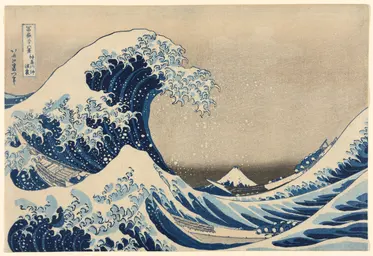
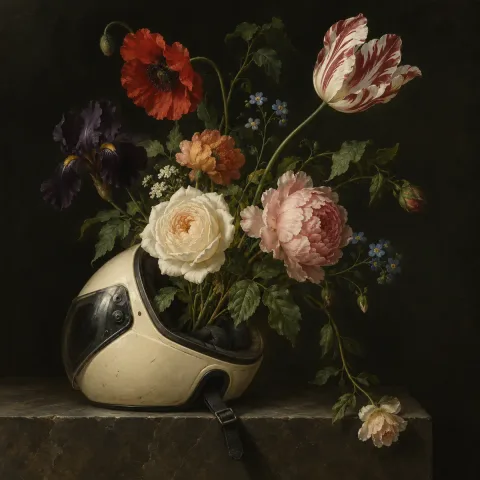
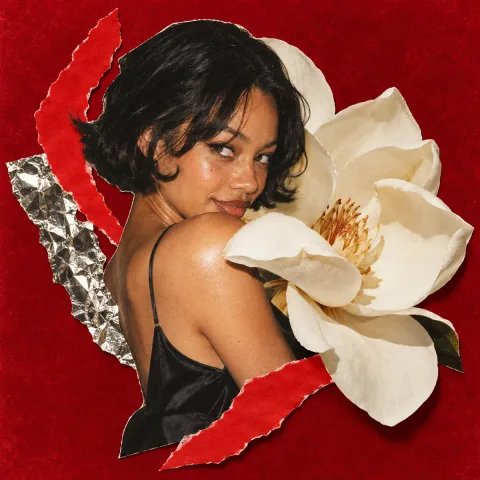
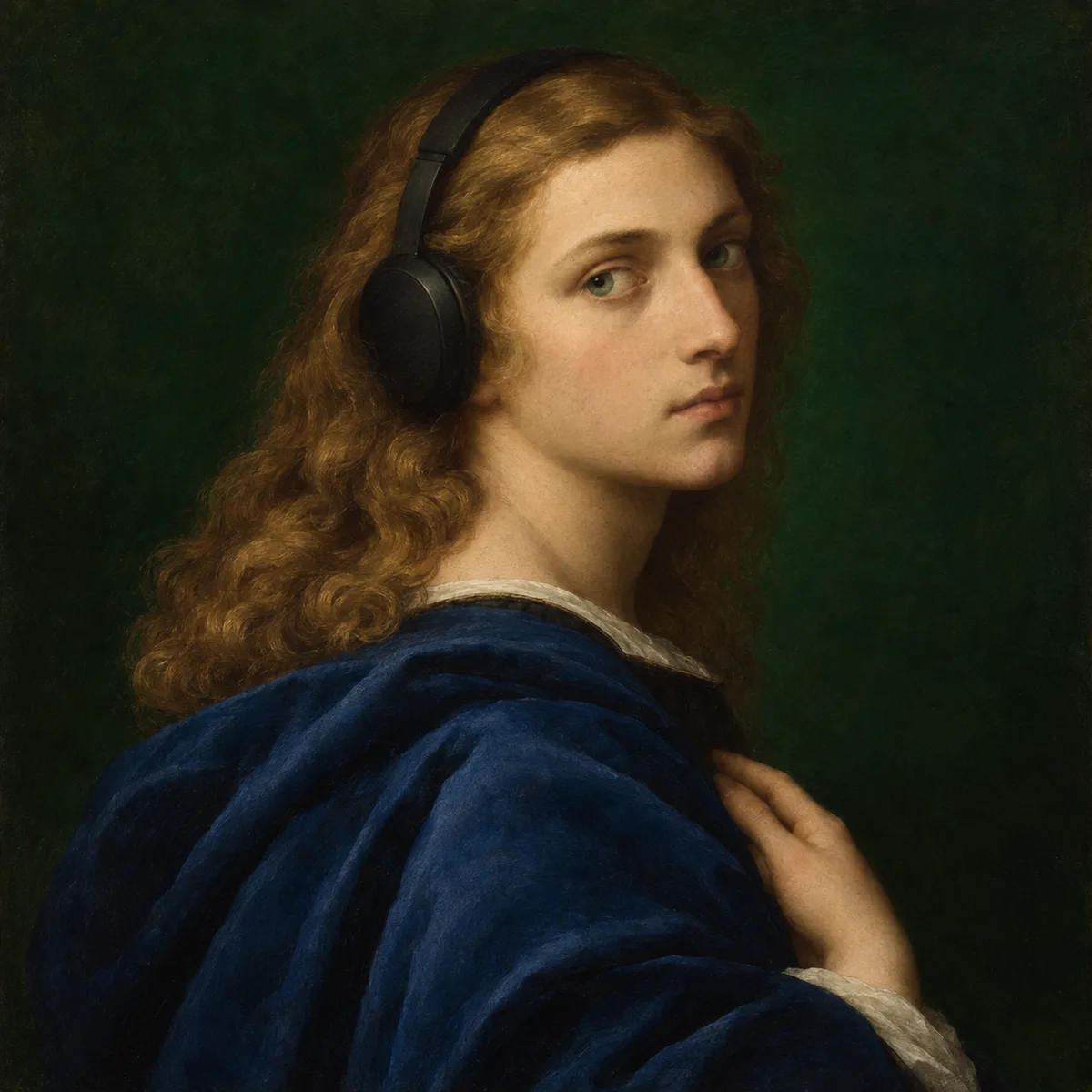
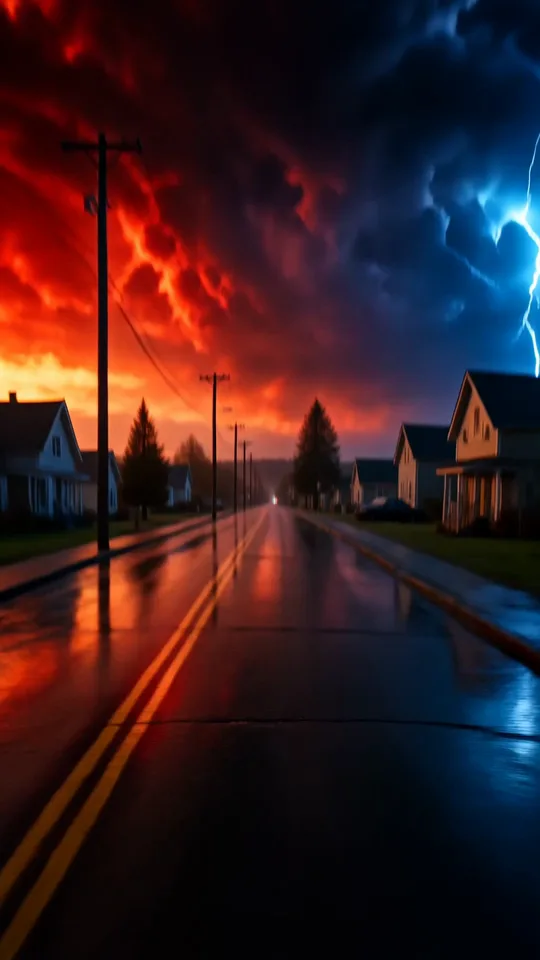
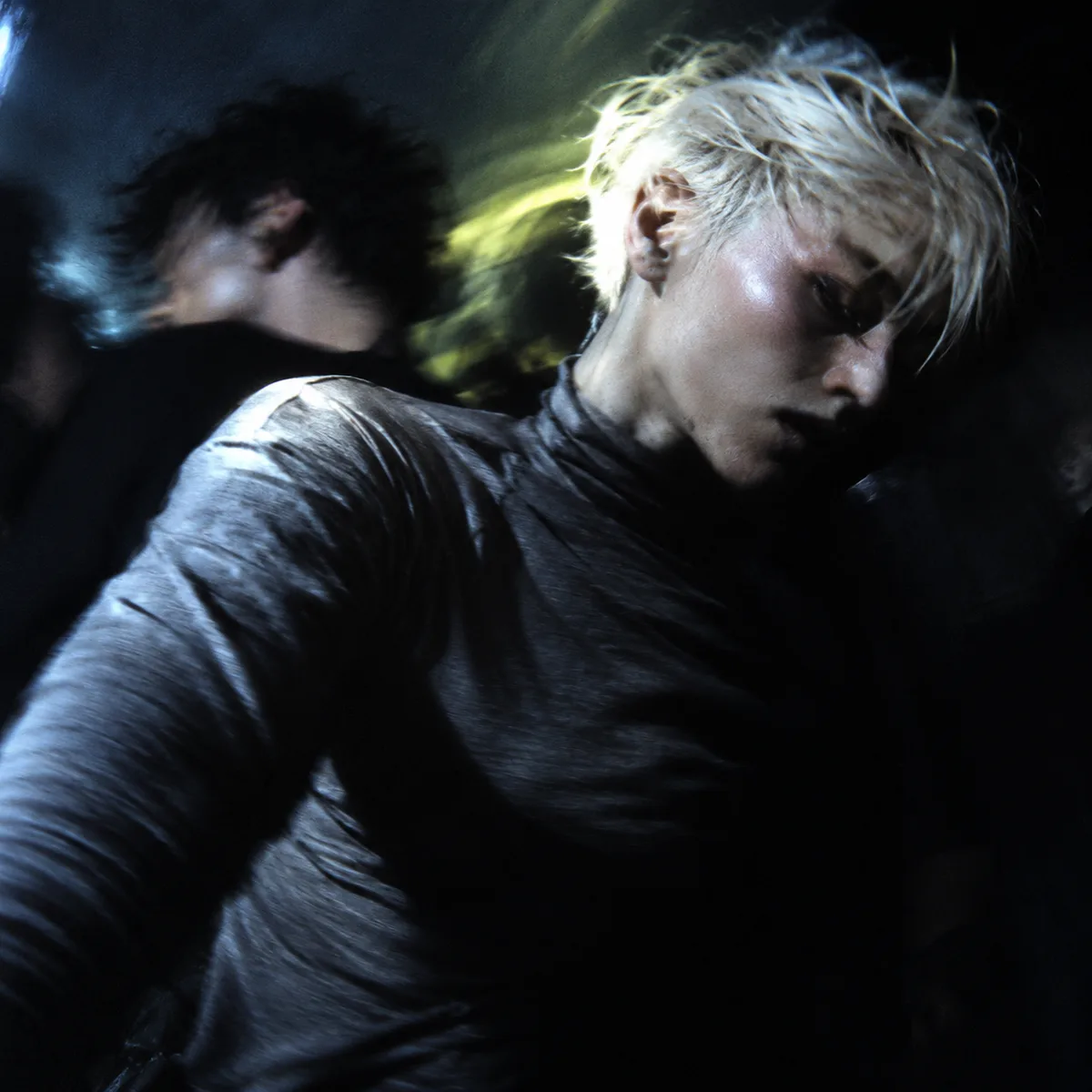
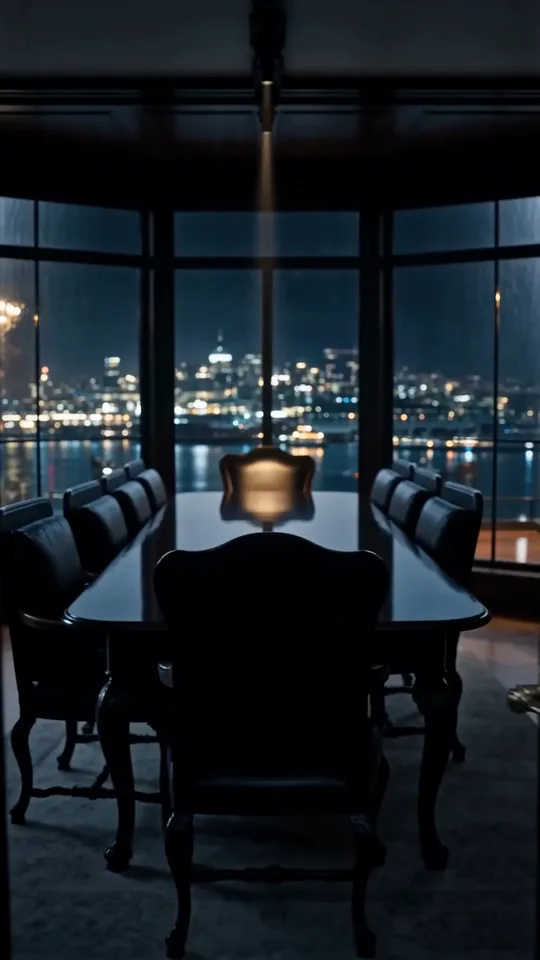
First and Last Frame Video with Kling 4.0, with the model already selected.


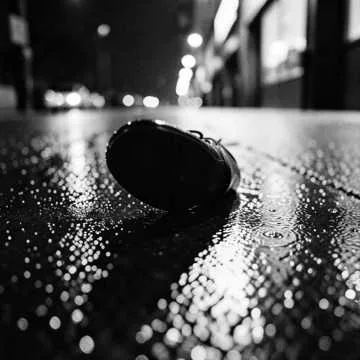
Footsteps walking naturally on a firm ground surface with subtle rustling sounds.
How it works
Try it now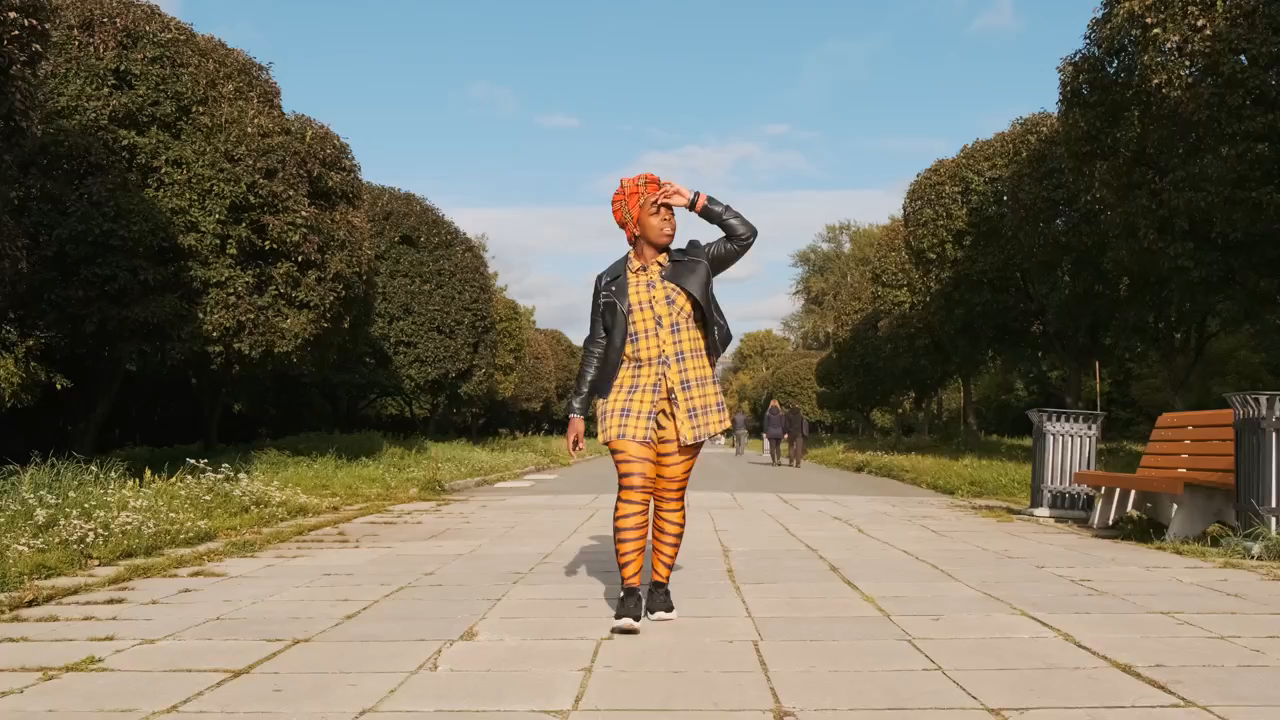 01
Add your start frame
Drop it in, or pick one of yours.
- 02
Say how it should move
A sentence or two is enough.
- 03
Make it
Start creating, then keep working with HowWorks.
Explore the possibilities
Kling 4.0 at a glance
- Good at
- Native audiovisual clips up to 30s, first/last frames, motion references and editing. Up to 1080p.
- Modes
- Text to Video, Image to Video, First & Last Frame, Reference to Video, Edit Video
- Length
- 3–30 s (presets 5, 10, 15, 20, 30 s)
- Resolution
- 720p, 1080p
- Aspect ratios
- 21:9, 16:9, 9:16, 1:1, 4:3, 3:4
- Image-led framing
- May follow the input image; check the output frame
- Sound
- Always on
- Reference images
- Up to 10
About
Bring the opening and closing pictures, then explain the action connecting them. The endpoints guide the composition while the model generates the movement between them. Use compatible subjects and settings where continuity matters. An endpoint is a visual anchor, not a guarantee that every detail will match exactly. Kling 4.0 accepts ordered middle frames on its supported keyframe workflow, without exact timestamps for every frame.
Questions
How do the first and last pictures guide Kling 4.0?
Place the pictures in Start frame and End frame, then describe a plausible movement between them. Matching subject identity, perspective and lighting makes the transition easier to direct. Review the arrival at the final image.
Why choose Kling 4.0 instead of Kling 4.0 Flash here?
Kling 4.0 supports the first-and-last-frame and ordered-keyframe workflows shown here. Flash does not offer those frame positions in the current HowWorks integration. Choose by the inputs you need, then review the displayed output controls.
Does a storyboard request guarantee exact cuts?
No. A written shot plan expresses the intended progression. Review the generated timing, continuity and transitions; exact edit points may still need an editing step.


